
For young students and graduates in Libya, entering the energy sector requires more than academic achievement. It requires technical awareness, professional discipline, strong communication, and a clear understanding of how office based, field based, commercial, and operational teams work together in high standard environments.
To support this transition, PetroGas Libya’s Marketing team have developed PetroGas Libya’s Internship Readiness Programme: The Flagship Guide, a structured 12 week readiness roadmap designed to help Libyan students and graduates prepare for internship and early career opportunities across the energy sector. The guide strengthens industry awareness, improves CV and cover letter quality, develops workplace readiness, and explains how candidates may progress from initial inquiry to screening, onboarding, multidisciplinary exposure, and potential inclusion in the PetroGas talent pool.
A Practical Bridge Between University and Industry
Libya’s energy sector remains central to the country’s long term development. As the industry continues to evolve, there is a growing need for graduates who are not only academically qualified, but also prepared to operate with professionalism, adaptability, and technical focus.
The PetroGas Internship Readiness Programme responds to this need by helping students understand the expectations of the sector before they enter it. It introduces candidates to the realities of administrative hubs, onshore fields, offshore platforms, technical services, commercial functions, and corporate support roles.
PetroGas Libya is using the guide to share practical knowledge with the next generation of Libyan professionals. The aim is to raise the overall quality of internship preparation and help graduates present themselves with clarity, confidence, and professionalism.
The Four Phase Readiness Blueprint
At the centre of the programme is a four phase curriculum designed to develop both technical and professional readiness over a 12 week period.
Phase 1: Industry Foundations introduces students to the structure of the Libyan energy sector and the expectations of different work environments. It helps graduates understand where their academic background and career interests may fit across areas such as field operations, midstream infrastructure, digital services, power generation, logistics, and corporate support.
Phase 2: Technical CV Development focuses on transforming the CV from a general academic document into a clear technical profile. Students are guided to highlight software skills, university projects, HSE awareness, technical interests, and relevant experience in a way that is easy for managers to assess.
Phase 3: Professional Communication teaches applicants how to write a focused and persuasive cover letter. Rather than repeating the CV, the cover letter is presented as a professional pitch that explains motivation, demonstrates research, and connects academic experience to the operational needs of an energy sector employer.
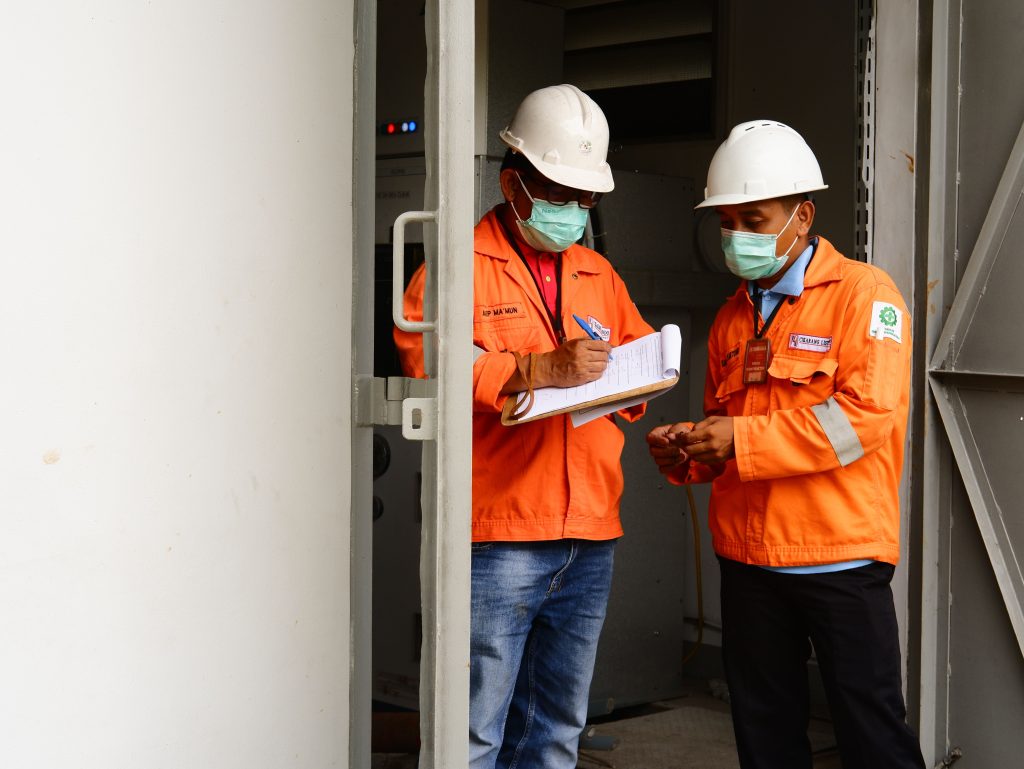
Phase 4: Operational Readiness prepares graduates for the transition from university life to professional environments. It covers punctuality, communication, teamwork, accuracy, adaptability, confidentiality, and the proactive mindset required to succeed in both office based and site related work.
Learning Through the PetroGas Business Model
One of the guide’s strongest features is its use of PetroGas Libya’s own multidisciplinary business model as a practical reference point. Students are introduced to business areas such as Process and Flow Solutions, Digital Solutions, Power Generation Solutions, Projects and Technical Services, Procurement and Logistics, and Maritime Service Solutions.
These examples help graduates understand how real energy sector work is structured. They also give applicants stronger language for discussing technical interests during interviews, especially when speaking about areas such as rotating equipment, midstream infrastructure, digital field optimisation, equipment monitoring, technical reporting, operational reliability, valve solutions, instrumentation, and maintenance support.
This technical exposure is especially valuable because it helps candidates move beyond general interest in the oil and gas sector. Instead, they begin to understand the language, priorities, and professional standards that shape daily work across Libya’s energy services environment.
Building a Day One Ready Mindset
A recurring theme throughout the guide is the importance of becoming day one ready. This means arriving with a professional attitude, well prepared documents, clear communication skills, and a willingness to contribute from the beginning.
The guide places strong emphasis on application quality. Candidates are encouraged to submit clear, technically focused CVs, demonstrate HSE awareness, use professional file names, include accurate contact details, maintain an updated LinkedIn profile, and show evidence of initiative rather than relying on generic statements.
Supporting Libya’s Future Energy Talent
For PetroGas Libya, the Internship Readiness Programme is more than an internship route. It is part of a wider commitment to developing future talent for Libya’s energy sector.
Successful interns may progress to formal performance review, certification of completion, letters of recommendation, professional referrals, and potential consideration for the PetroGas talent pool. In that sense, the programme serves both as a professional development platform and as a longer term investment in the next generation of technically capable Libyan energy professionals.
By giving students access to structured guidance on applications, technical communication, workplace expectations, and professional conduct, PetroGas Libya is helping young people approach the sector with greater confidence and stronger standards.
This article introduces only part of PetroGas Libya’s Internship Readiness Programme: The Flagship Guide. For the full PDF and complete programme overview, download the guide here: