An Insight Into Production, Projects and Performance Based on Verified NOC and Industry Reporting
Introduction
Average crude and condensate production for 2025 year to date is reported at 1.215 million barrels per day compared with 1.105 million barrels per day in 2024. Export volumes for 2025 average 1.15 million barrels per day. These figures show a more stable operational environment than in 2024 when production fluctuated before rising toward 1.22 to 1.3 million barrels per day as fields reopened.
Operational Conditions and Field Reliability
Short operational pauses at the El Feel field were each resolved within less than 48 hours. National output resumed stable levels shortly after each event.
Shifts in Production Stability Compared with 2024
OPEC reporting indicates that 2024 production experienced mid-year declines before recovering to 1.22 to 1.3 million barrels per day near year end. In contrast, 2025 production maintained a steadier average of 1.215 million barrels per day with fewer extended interruptions.
Maintenance Activity and Refinery Performance
Waha Oil Company completed a workover campaign on 15 mature wells which added an estimated 18,000 barrels per day of incremental production. The Mellitah joint venture with Eni completed a coordinated turnaround of gas and condensate facilities early in 2025 with limited impact on domestic power supply or Greenstream exports.
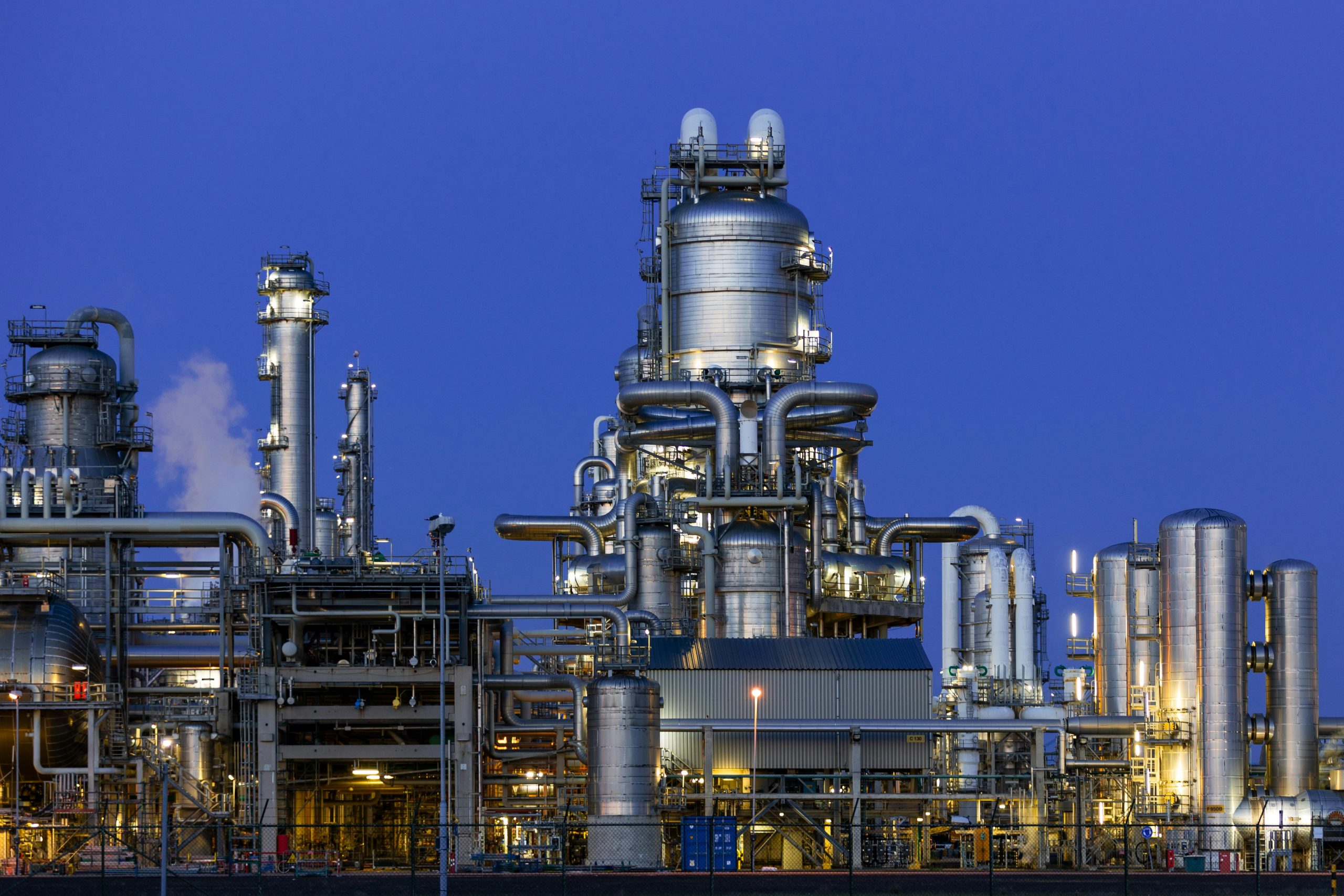
Zawiya refinery, with a nameplate capacity of 120,000 barrels per day, operated at about 85 percent utilisation equal to roughly 102,000 barrels per day in 2025 year to date. The facility had previously experienced fire related disruptions in 2024. Ras Lanuf refinery, with a nameplate capacity of 220,000 barrels per day, continued to operate near 15 percent utilisation or about 33,000 barrels per day due to rehabilitation requirements.
Safety Indicators and Technical Capacity
Waha Oil Company reported an improvement in the Total Recordable Incident Rate from 0.35 to 0.30 per 200,000 work hours in the third quarter of 2025. NOC announced a Process Safety Management roadmap for major refineries and processing facilities. Late 2024 incidents including the Zawiya refinery fire influenced safety priorities in 2025.
National Workforce Development
NOC and associated companies documented maintenance and project efforts at Brega and Zawiya that supported fuel distribution and facility stability during 2024 and 2025. The Brega storage tank farm rehabilitation was completed in the second quarter of 2025 restoring significant national storage capability. These actions contributed to wider efforts to strengthen operational readiness across the sector.
International Partnerships and Project Activity
TotalEnergies and NOC confirmed a final investment decision for a gas project within the Waha portfolio designed to improve gas capture and reduce flaring. Eni provided updates on the Structures A and E development noting its expected role in supporting domestic power generation and maintaining export continuity through Greenstream.
Digitalisation and Structured Operational Reporting
Terminal reporting shows Es Sider averaged about 400,000 barrels per day of crude loadings and Zueitina averaged about 100,000 barrels per day in 2025. Consolidated export and production reporting shows higher and steadier flows in 2025 compared with 2024. Refinery utilisation data and coordinated incident reporting demonstrate the increasing use of structured operational information across the sector.
Sector Challenges and Risk Factors
Short pauses at El Feel confirmed the ongoing sensitivity of some fields to access related issues. Zawiya refinery’s high utilisation leaves limited room for further operational disruptions. Ras Lanuf throughput remained low due to pending rehabilitation of major process units. Multilateral reporting notes combined capital and operational expenditure requirements of about 12 billion United States dollars for the period 2025 to 2027 to support pipelines, surface systems and refinery rehabilitation. Technical reporting also highlights power supply challenges requiring on site generation at some remote fields. OPEC documentation confirms that Libya remains exempt from production cuts and that 2025 output is above the 1.1 million barrels per day reference cited in some discussions.
Conclusion
Reporting for 2025 indicates higher and more stable crude production, stronger export flows, improved safety performance and progress in upstream and storage related projects. Several challenges remain including refinery constraints, access sensitivities, infrastructure rehabilitation needs and substantial funding requirements. The 2025 profile reflects documented operational progress alongside structural issues that continue to influence Libya’s oil and gas sector.
The full Libya’s Oil & Gas report 2025 on Objectives Projects and Operations Report is available for reading and download here: