Capital expenditure and maintenance activity remain central to sustaining Libya’s oil and gas sector in 2025. While production and export data indicate a more stable operating environment compared with 2024, infrastructure performance across upstream, midstream, and downstream assets continues to shape operational risk and reliability.
Industry reporting suggests that recent gains in production stability have been supported by short term operational improvements rather than a fundamental transformation of infrastructure condition. As a result, CAPEX planning, refinery maintenance, pipeline integrity, and power generation reliability have become key reference points in evaluating Libya’s oil and gas outlook over the medium term.
CAPEX Planning and Infrastructure Investment
Multilateral and industry sources confirm that the National Oil Corporation has submitted a combined 12 billion US dollar CAPEX and OPEX budget request for the 2025 to 2027 period, covering a broad range of infrastructure priorities across Libya’s oil and gas sector.
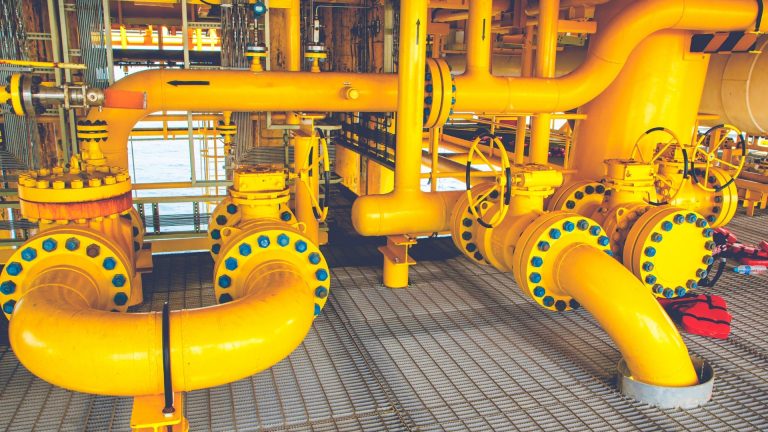
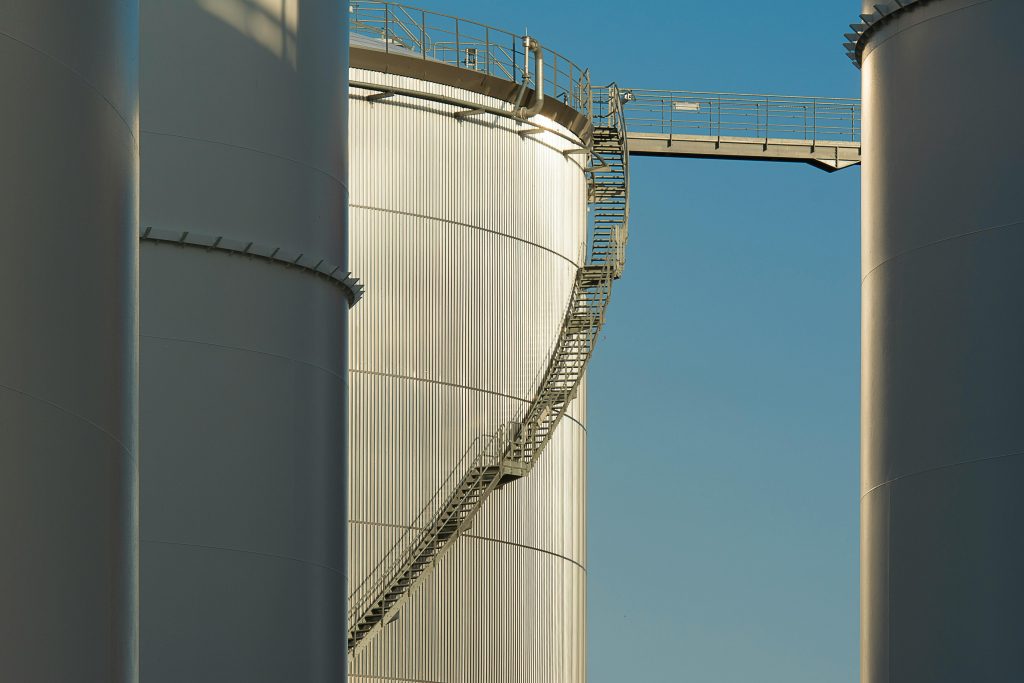
The proposed funding is primarily directed toward rehabilitation and asset reliability rather than capacity expansion. Reported focus areas include crude oil pipeline systems, surface production facilities, storage infrastructure, and refinery rehabilitation, with Ras Lanuf identified as a priority asset requiring sustained capital investment.
The scale of the funding request reflects the cumulative impact of deferred maintenance and periodic operational disruption in previous years. Analysts note that without sustained CAPEX allocation at this level, infrastructure-related outages would likely remain a recurring feature of Libya’s oil and gas operations, directly affecting production stability and export continuity.
Refinery Maintenance and Downstream Performance
Downstream infrastructure continues to represent one of the most constrained segments of Libya’s oil and gas system. Ras Lanuf refinery, with a nameplate capacity of approximately 220,000 barrels per day, operated at reduced utilisation during 2025 due to ongoing rehabilitation requirements affecting major process units and supporting systems.
Available reporting indicates that refinery maintenance requirements extend beyond core processing equipment to include utilities, power generation systems, and offsite infrastructure. As a result, downstream CAPEX planning increasingly focuses on restoring operational flexibility and improving reliability rather than short-term throughput gains.
Persistent underutilisation of refining capacity also heightens exposure to operational disruptions, as limited redundancy reduces the system’s ability to absorb unplanned outages without affecting domestic fuel supply and logistics. safety protection, while the online monitoring and diagnostic software provide the early warning signals needed for predictive intervention.
Power Generation and Utilities for Oil and Gas Operations
Reliable power and water supply remain a structural challenge across Libya’s oil and gas sector, particularly for remote upstream assets. Technical reporting confirms that several operating companies continue to rely on on-site power generation systems to sustain oil production, gas processing, and pipeline operations.
These systems typically include gas turbine driven generators, steam turbines, and associated auxiliary utilities. As a result, power generation reliability, gas turbine maintenance, turbomachinery services, and industrial maintenance have become integral components of broader operational planning within Libya’s oil and gas sector.
Maintenance Strategy and Operational Reliability
Maintenance activity during 2025 has increasingly emphasized preventive maintenance programs, coordinated shutdowns, and targeted repair campaigns. Field level reporting indicates that short operational pauses at key producing assets were resolved within limited timeframes, allowing national output to return to stable levels shortly thereafter.
Maintenance strategies support multiple operational priorities, including pipeline integrity management, surface facility availability, rotating equipment reliability, and utilities performance. Compared with 2024, these efforts have contributed to a reduction in prolonged production interruptions and greater overall output consistency.
Industry reporting suggests that continued progress will depend on sustained funding, availability of technical services, and effective coordination across operating companies and service providers.
Infrastructure Risk and Funding Requirements
Despite recent operational improvements, infrastructure-related risk remains a defining characteristic of Libya’s oil and gas operating environment. Multilateral assessments highlight ongoing exposure associated with aging assets, deferred maintenance, and power supply limitations in the absence of sustained capital investment.
Without adequate CAPEX funding, risks include pipeline failures, refinery outages, power generation disruptions, and export terminal constraints. Conversely, structured investment programs are viewed as a stabilizing factor that supports production continuity, export reliability, and fiscal performance over the medium term.
Conclusion
CAPEX planning and maintenance execution remain fundamental to Libya’s oil and gas outlook in 2025. Documented funding requirements for pipelines, surface facilities, refineries, and power generation systems underline the scale of infrastructure rehabilitation needed to sustain current production levels and protect export performance.
While operational stability has improved compared with the previous year, longer-term sector performance will continue to depend on disciplined maintenance strategies, timely capital allocation, and reliable utilities across upstream and downstream assets.